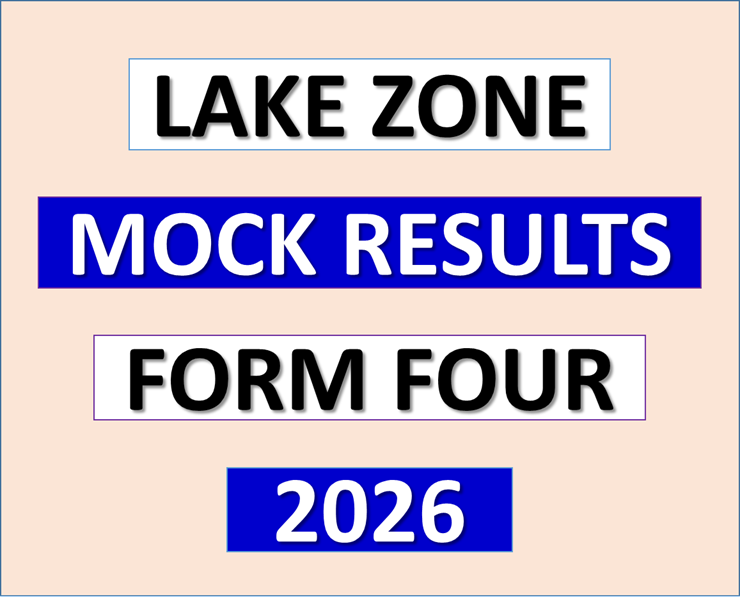
Matokeo ya Mock – GEITA – Form Four 2026 – Shule Zote
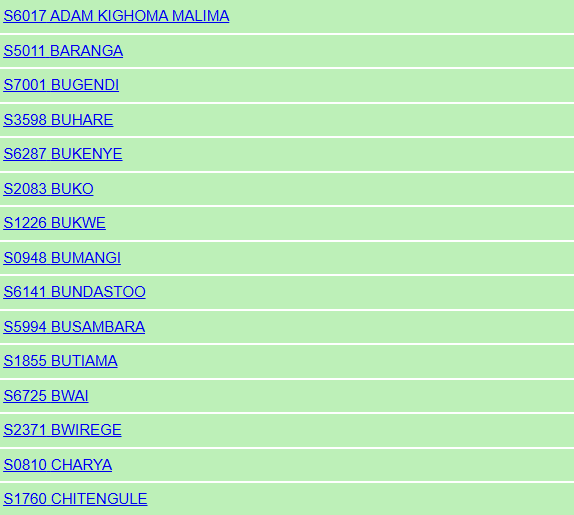
Mock Results for Geita – Form Four 2026
CLICK HERE to view the results
..
..
It tells school communities what to look for and what to do. The following is an excerpt from “Early Warning, Timely Response: A Guide to Safe Schools,” developed by the Center for Effective Collaboration and Practice of the American Institutes for Research in collaboration with the National Association of School Psychologists for the U.S. Department of Education.
Many aspects of Scottish Executive Education Department (SEED) policy in recent years suggest that, while cultural legacy and personal understanding of what is studied remain important, there have been significant moves towards the broader idea that education should be a process of becoming a person – for all young people. This process includes learning about the things that society feels a need to “pass on” as valuable and building one’s own understanding of key aspects of culture in the process. It also involves the development of complex thinking, learning and social interaction skills. It is a process which, of course, continues beyond school leaving age and ideally is lifelong.
Well-functioning schools foster learning, safety and socially appropriate behaviors. They have a strong academic focus and support students in achieving high standards, fostering positive relationships between school staff and students, and promoting meaningful parental and community involvement. Most prevention programs in effective schools address multiple factors and recognize that safety and order are related to children’s social, emotional and academic development.