Electrical Installation for Form Two | All Topics | Full Notes
Electrical Installation for Form Two | All Topics | Full Notes
Click the topics below to view the notes
1 – PERFORMING PREVENTIVE MAINTENANCE OF TOOLS, EQUIPMENTS, AND MACHINES
2 – PERFORMING BASIC ELECTRICAL INSTALLATION
..
..
An electrician’s tools reflect their professionalism and expertise. Access to a reliable collection of tools is essential for performing the job effectively. While basic hand tools are standard, many electrical projects may require specialized equipment. Depending on the nature of the job, employers may provide tools like: stocks and dies, power tools, bending machines, and electric screwing machines.
Environmental conditions directly affect electrical components. For example, extreme heat can cause conductors to overheat, while freezing temperatures can make cable insulation brittle. As a result, it is vital to always select the appropriate materials and insulation that can withstand these conditions. Understanding the maximum safe operating temperatures of cables is critical.
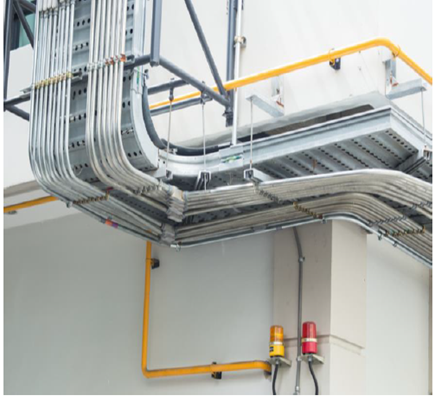
Electrical installation is all about setting up the electrical systems that power your home, office, or any other space. It includes everything from the wiring inside the walls to the outlets, switches, lights, and circuit breakers that you use every day. This system ensures you have access to electricity where and when you need it, whether it’s for your appliances, lighting, or other devices.
A proper electrical installation is important for your safety and the efficiency of your electrical systems. It involves careful planning and compliance with safety standards to avoid risks like short circuits, power outages, or even fire hazards. Whether you’re renovating your home or constructing a new building, a certified professional should handle the installation to ensure everything works reliably and safely for you.