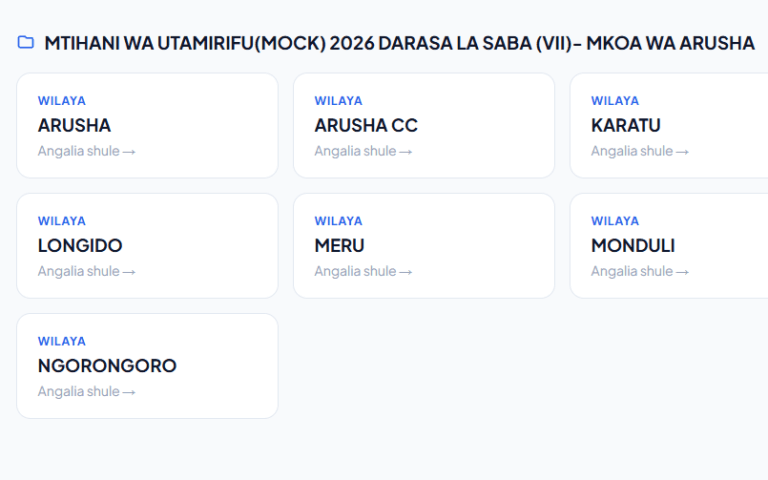
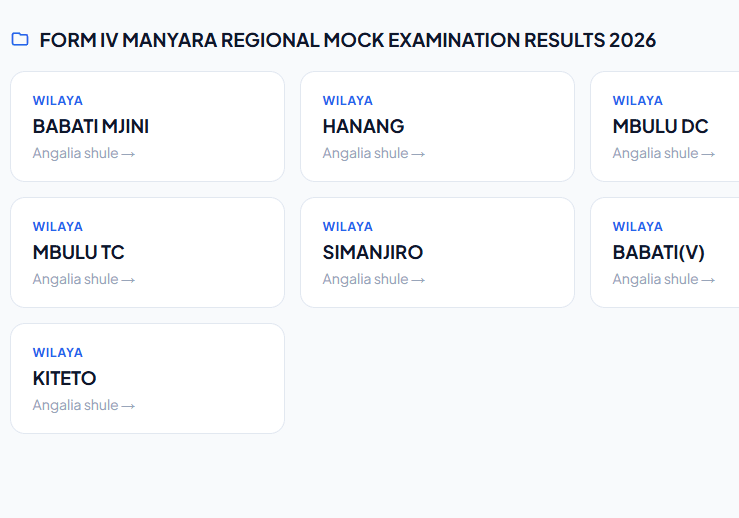
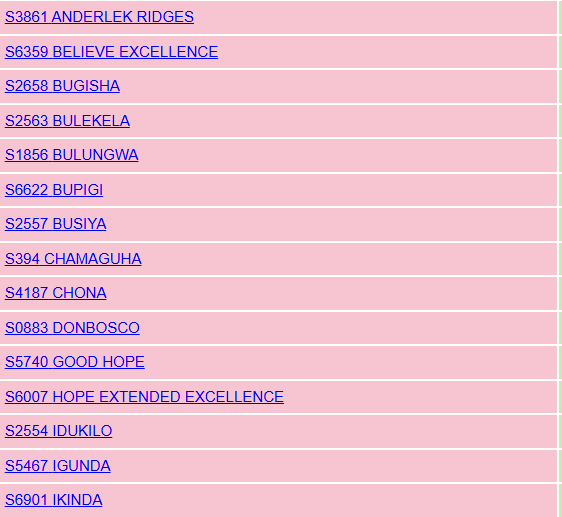
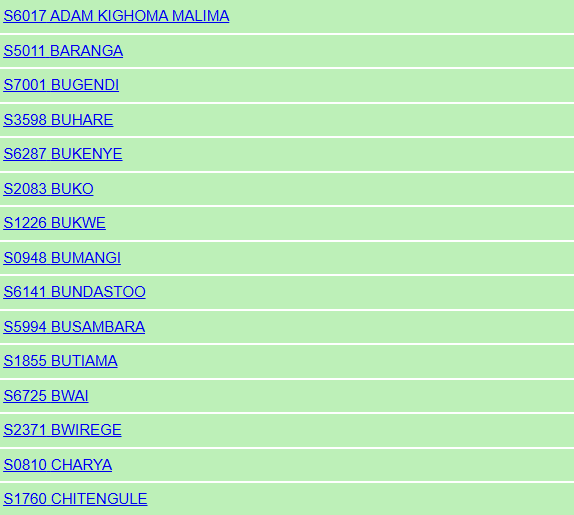
Matokeo ya Mock – MWANZA – Form Four 2026 – Shule Zote
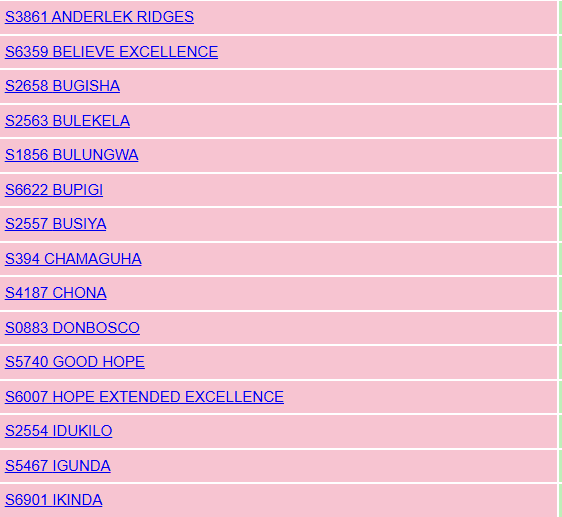
Mock Results for Mwanza- Form Four 2026
CLICK HERE to view the results
..
..
Discuss safety issues openly. Children come to school with many different perceptions – and misconceptions – about death, violence and the use of weapons. Schools can reduce the risk of violence by teaching children about the dangers of firearms, as well as appropriate strategies for dealing with feelings, expressing anger in appropriate ways and resolving conflicts. Schools also should teach children that they are responsible for their actions and that the choices they make have consequences for which they will be held accountable.
The SCRE review also debunks a common myth about brain laterality, that the two halves of the brain work in fundamentally different ways, the left brain managing logicality, verbal reasoning and problem-solving and the right intuition, creativity, and images rather than words. Popular accounts of this distinction are based on a gross oversimplification not supported by brain research. Neuroscience has shown that almost any cognitive function is composed of the combined action of smaller “elementary” functions. Some of these are localised, but they are widely distributed across the brain and may be performed in parallel. This suggests that we need to treat with care claims made by some popular educational “gurus” about the impact of brain studies on education. However, it probably does reinforce ideas about the complexity of learning and about the value of multi-sensory approaches to it.
Treat students with equal respect. A major source of conflict in many schools is the perceived or real problem of bias and unfair treatment of students because of ethnicity, gender, race, social class, religion, disability, nationality, sexual orientation, physical appearance or some other factor – both by staff and by peers. Students who have been treated unfairly may become scapegoats and/or targets of violence. In some cases, victims may react in aggressive ways. Effective schools communicate to students and the greater community that all children are valued and respected. There is a deliberate and systematic effort – for example, displaying children’s artwork, posting academic work prominently throughout the building, respecting students’ diversity – to establish a climate that demonstrates care and a sense of community.