Close Menu
Msomi BoraMsomi Bora
    Msomi BoraMsomi Bora
    Button Login
    • HOME
    • NOTES
    • PAST PAPERS
    • BOOKS
    • OTHERS
    • KENYA
    • CONTACT US
    Msomi BoraMsomi Bora
    • HOME
    • NOTES
    • PAST PAPERS
    • BOOKS
    • OTHERS
    • KENYA
    • CONTACT US
    Home»Chemistry»CHEMISTRY: FORM ONE: Topic 1 – INTRODUCTION TO CHEMISTRY
    Chemistry

    CHEMISTRY: FORM ONE: Topic 1 – INTRODUCTION TO CHEMISTRY

    Msomi BoraBy Msomi BoraJuly 5, 20187 Mins Read
    Facebook Twitter Pinterest LinkedIn Tumblr WhatsApp VKontakte Email
    Share
    Facebook Twitter LinkedIn Pinterest Email
    TOPIC 1: INTRODUCTION TO CHEMISTRY

    JOIN US WHATSAPP CLICK HERE
    JOIN US TELEGRAM CLICK HERE
    The concept of chemistry
    The Concept of Chemistry
    Explain the concept of Chemistry
    Chemistry is a branch of science that deals with the study of nature, properties and composition of matter. Matter can be defined as anything that has weight or mass and can occupy space. Therefore, in chemistry we study materials that make up the earth and universe. These range from living to non-living materials. We apply the knowledge of chemistry to study the composition, behaviour and nature of materials around us. This study enables us to make the best use of these materials to improve our welfare.
    Materials Objects Made by Application of Chemistry
    Mention materials objects made by application of chemistry
    Chemistry is such an important subject that it is applied in other fields such as agriculture, manufacturing, medicine, processing and food industries, education, cosmetics and home care industries, etc. All these industries are responsible for the production of materials that we need to support and hence improve our lives. Materials made by the application of chemistry knowledge include soap, chalk, shoes, clothes, petroleum products, alcoholic and non-alcoholic beverages, cosmetics, drugs, and many others. Can you mention some of the materials made by the application of chemistry knowledge?
    This, therefore, means that chemistry is applied in factories, homes, hospitals, pharmacies, research centers, higher learning institutions, etc.
    Many products made by the application of chemistry in industry are all around us. Some of these materials are summarized in the table:
    Some products made by application of chemistry
    Field where appliedExamples of products
    MedicineDrugs, vaccines, nutritional supplements
    AgricultureAgro-chemicals ( fertilizers, pesticides, herbicides, acaricides), animal drugs and vaccines, animal feed and supplements
    Manufacturing industryVehicles, cement, plastics, chemicals, paints, iron sheets, vanishes, glue
    Food and beverage industrySoft and alcoholic drinks, baked food, canned food, spices, cooking oil, salt
    Home care and cosmetics industryCosmetics, detergents, toothpaste, shoe polish, insecticides, antiseptics, disinfectants
    TransportFuels, lubricants, oil, grease, tar, coolants, tyres
    Textile industryClothes, dyes, bleaches, wax, threads
    Leather industryShoes, handbags, belts, leather articles

    The importance of chemistry in life
    Areas Where Chemistry is Applied
    Mention areas where chemistry is applied
    In everyday life, we need different substances to meet our basic human needs like food, shelter, clothing, comfort and health. Application of chemical knowledge enables the production of different materials and products that we need to live better.
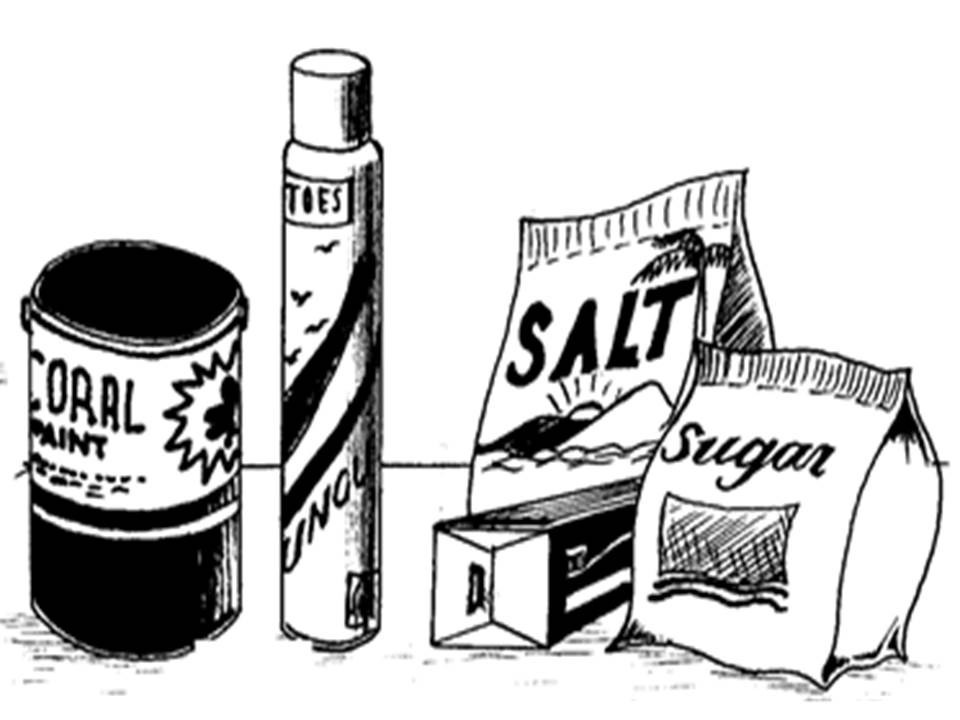
    Examples of these materials, as mentioned early, are (paraffin), sugar, common salt, soft drinks, medical drugs (medicines), toothpaste and plastics. Others are spirits, wines, shoe polishes, cement, baking soda, petrol, diesel and cosmetics (soaps, body oils and lotions, body and hair creams, etc)
    All these materials, among others, are made by applying chemical processes. They are needed for a better living. Can you mention more materials made through chemistry knowledge?
    Some materials made by application of chemistry
    Nature is made of materials that may be useless, less useful and even harmful. There are also things that are very useful to our lives. Through chemistry, we are able to transform (change) various materials chemically or physically into forms or products that are more useful to man
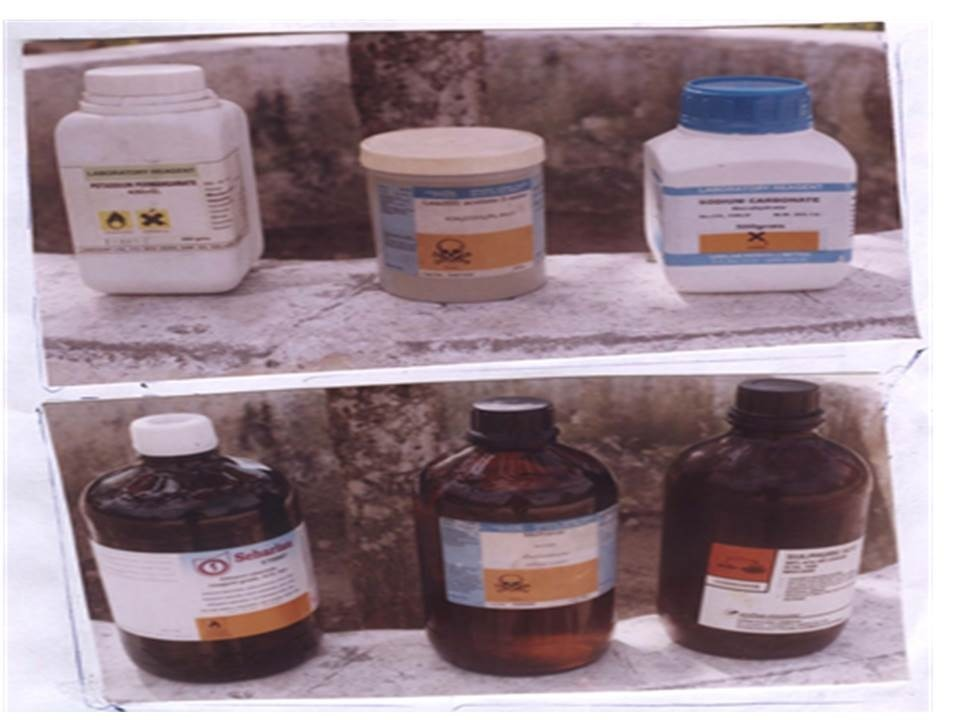
    For example, most laboratory chemicals you use at school are prepared from minerals that are mined from the rocks in the earth.
    Laboratory chemicals
    Man cannot use most substances unless they are transformed into products that are more useful. Limestone lying idle in earth is useless until it undergoes deliberate physical and compositional transformation into cement. The cement is used for construction of buildings, roads, bridges and many different structures.
    We also need to change different mineral ores through a number of processes into useful substances such as steel, aluminium, tin, etc. Man has learned how to change harmful substances into useful products since the long ago.
    Common salt may be made from twohazardous substances–hydrochloric acid and sodium hydroxide.
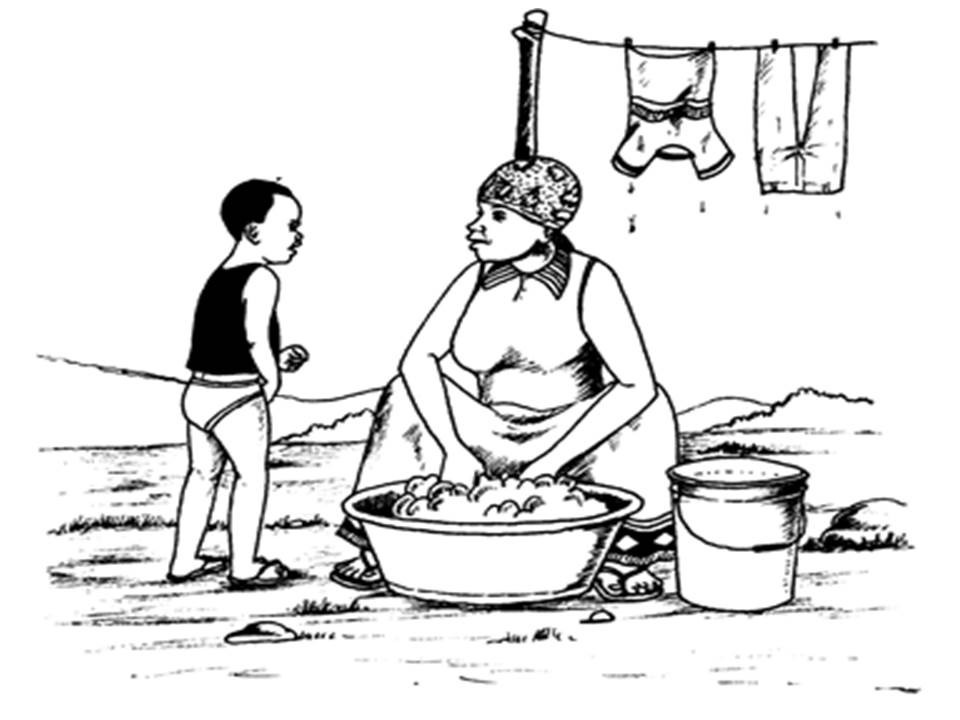
    Chemistry is all around us. We often use chemical products and engage ourselves in chemical processes more than we can tell. Look at the picture below.
    This is an example of a chemical activity in which we can engage ourselves without knowing.
    A woman washing clothes
    Many items we use at school, home and industry are made by applying chemical processes. The soap we use to wash our clothes and clean our bodies is made from animal fat and an alkali. Many items are made from plastic. Many kinds of plastics are made from crude oil. What items are made from plastics in your home? Soft drink bottles are made from glass. The major component of glass is sand. Glass is made by mixing sand with metal oxides in a furnace at high temperatures. Some clothing is made from natural fibers such as cotton or silk.
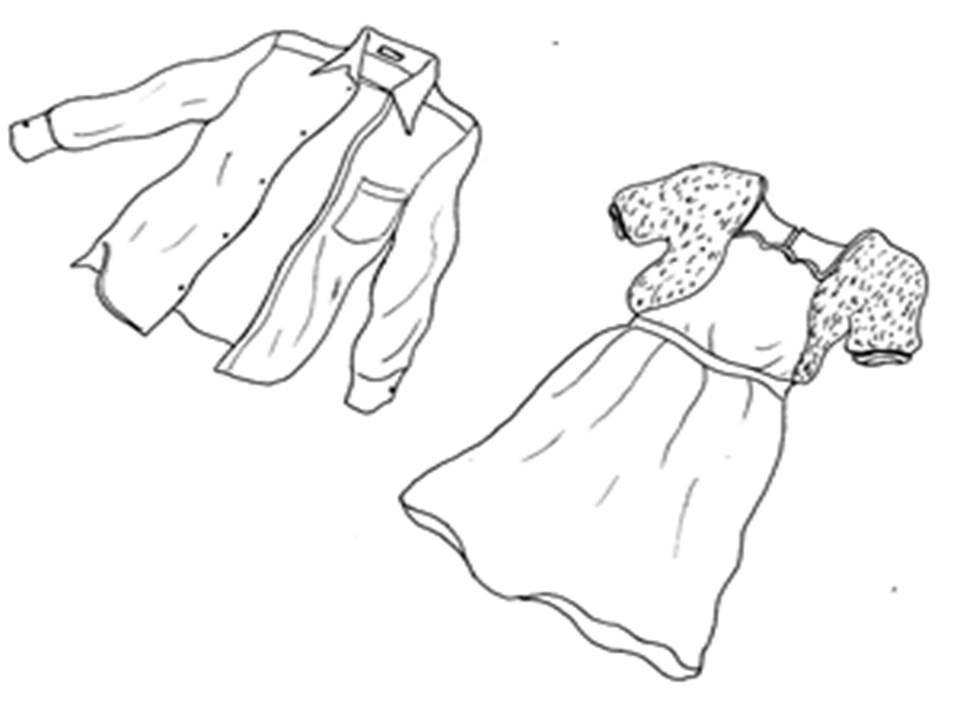
    Other fabrics like polyester and nylon are made from chemicals found in coal and crude oil. What are your clothes made of?
    Clothes made from cotton fibres
    Man has used medicines extracted from plants and animals since the beginning of time. For example, cinchona tree contains quinine, which has a bitter taste. Quinine was and is still used for treatment of malaria. Penicillin is extracted from a fungus called penicillin. Nowadays, it is possible to make chemicals that have the same effects as naturally occurring drugs.
    This forms the basis of the pharmaceutical drugs industry. What medicines extracted from plants and animals are used in your school or local dispensary?
    Injection drugs and vaccines are made from plant or animal extracts
    Apart from clothing, it is a tradition to put on shoes and other attire. Rubber shoes are made from rubber. Rubber is a sticky milky fluid obtained from certain tropical trees. Skin shoes and handbags are made from skins and hides of animals. The process of converting these raw materials into the items mentioned above involves chemistry knowledge.
    What other items made by chemical processes do you know?
    Skin shoes
    Sustainable crop and animal production is also enhanced by application of chemistry knowledge. The use of chemicals in agriculture is inevitable. Fertilizers, insecticides, acaricides, herbicides (weed killers) have and are still playing a good role in agricultural and animal production. In some ecological zones, in order to get good harvest, fertilizer, herbicide and insecticide application is necessary. The same case applies to animal production. As regards to control and prevention of tick-borne diseases, application of different acaricides is often stressed. Also is the use of different drugs to treat internal parasites such as worms, and vaccines to prevent certain diseases.
    The Importance of Chemistry in Daily Life
    State the importance of Chemistry in daily life
    There are a number of reasons for studying chemistry. If you ask someone to tell you the reason for studying chemistry, he/she will give reasons based on how the subject touches him/her. However, there are general and universal reasons as to why we should devote our valuable time and energy to the study of chemistry. In general, we study chemistry because it helps as to understand:
    • the composition of materials around us;
    • the nature, properties and behaviour of these materials;
    • why and how materials behave as they do;
    • how a new material, based on the known properties of its allies or counterparts might behave;
    • how to make new materials which will be useful to us; and
    • how to extract and use materials from the earth to improve our welfare.
    In economic and occupational terms, we can say that the knowledge of chemistry helps us:
    • to produce professionals in different disciplines such as pharmacy, engineering, medical and natural science professions; and
    • make items, goods and materials for sale such as chemical laboratory equipments and reagents, medicines, rubber, cement, paints, steel, plastics, etc. What other materials do you think can be included in the list?
    Therefore, we can summarize that the study of chemistry is important for survival, development and welfare of man as well as sustainable production of crops and animals.
    Share. Facebook Twitter Pinterest LinkedIn Tumblr WhatsApp Email
    Previous ArticleBIOLOGY: FORM FOUR: Topic 5 – HUMAN IMMUNODEFICIENCY (HIV) ACQUIRED IMMUNE DEFICIENCY SYNDROME (AIDS) AND SEXUALLY TRANSMITTED INFECTIONS (STIS)
    Next Article CHEMISTRY: FORM ONE: Topic 2 – LABORATORY TECHNIQUES AND SAFETY
    Msomi Bora
    • Website

    Related Posts

    CHEMISTRY NOTES FOR FORM SIX – ALL TOPICS

    May 11, 2026

    CHEMISTRY NOTES FOR FORM FIVE – ALL TOPICS

    May 11, 2026

    CHEMISTRY NOTES FOR ADVANCED LEVEL – Form 5 and 6

    May 11, 2026

    CHEMISTRY NOTES FOR FORM FOUR – ALL TOPICS

    May 11, 2026

    CHEMISTRY NOTES FOR FORM THREE – ALL TOPICS

    May 11, 2026

    CHEMISTRY NOTES FOR FORM TWO – ALL TOPICS

    May 11, 2026

    CHEMISTRY NOTES FOR FORM ONE – ALL TOPICS

    May 11, 2026

    CHEMISTRY NOTES FOR ORDINARY LEVEL – Form 1, 2, 3, 4

    May 11, 2026

    Chemistry Practicals for Ordinary Level

    July 28, 2025

    Chemistry Books for Secondary Schools – All Levels

    May 5, 2025
    Clickable WP Image
    • Complaints
    • CONTACT US
    © 2026 Copyright. All Rights are Reserved. Msomi Bora.

    Type above and press Enter to search. Press Esc to cancel.

    Sign In or Register

    Welcome Back!

    Login to your account below.

    Lost password?